You’ve made a smart choice by investing in an extended car warranty, hoping for peace of mind against the inevitable mechanical hiccups our vehicles face. But then it happens: a dreaded dashboard light, a strange new noise, or the unmistakable feel of something just not right. That's when your mind races, not just about the repair, but about The Extended Car Warranty Claim Process itself. Is it a labyrinth of paperwork and denials, or a straightforward path to covered repairs?
The good news? With the right preparation and a clear understanding of the steps involved, navigating a warranty claim can be far less daunting than you might imagine. This guide is your roadmap, designed by seasoned experts to demystify the process and empower you to handle your claim with confidence.
At a Glance: Your Quick Claim Compass
- Know Your Policy Inside Out: Understand what’s covered, what’s not, and your deductible.
- Maintain Meticulous Records: Keep proof of all scheduled services and repairs; digital copies are best.
- Stop Driving Immediately: If you suspect a serious mechanical issue, pull over to prevent further damage.
- Contact Your Provider First: Always call your warranty company before taking your car to a shop.
- Use Approved Facilities: Ensure your chosen repair shop is within your warranty provider’s network.
- Secure Pre-Authorization: No work should begin until the warranty company officially approves the repairs.
- Pay Your Deductible: You'll typically pay this directly to the repair shop.
- Document Everything: Keep all repair orders, invoices, and communication.
Why Understanding This Process Matters (and Saves You Thousands)
Let's face it: car trouble is stressful. The thought of a major repair bill—thousands of dollars for an engine overhaul or a transmission replacement—can be enough to make anyone’s stomach churn. This is precisely where an extended car warranty claim steps in, acting as your financial shield. It's a formal request for your warranty provider to cover eligible repairs to mechanical or electrical components, potentially saving you a substantial sum in out-of-pocket expenses.
Coverage often extends to crucial parts like the engine, transmission, sophisticated electrical systems, air conditioning, and fuel systems. Knowing how to correctly file a claim ensures you leverage this protection effectively. More importantly, understanding the process underscores the critical importance of filing a claim as soon as a mechanical issue is detected—whether it's a persistent warning light, an unusual noise, or a noticeable loss of power. Ignoring these signs and continuing to drive can exacerbate the problem, leading to further damage that could, ironically, jeopardize your claim's approval. Your swift action isn’t just about getting a repair; it’s about safeguarding your investment and maintaining your vehicle's health.
Before Trouble Strikes: Laying the Groundwork for a Smooth Claim
The best way to ensure a seamless claim process isn't to wait for a breakdown, but to prepare for one. Proactive steps taken today can prevent headaches and potential denials tomorrow.
Master Your Policy: Your Personal Rulebook
Think of your extended warranty contract as your vehicle’s personal rulebook. It contains every detail about what your provider has agreed to cover. Diving into the fine print now, before you need it, is invaluable. Specifically, you need to understand:
- Covered Components: Which specific parts and systems are protected? A common misconception is that a warranty covers everything. It doesn't.
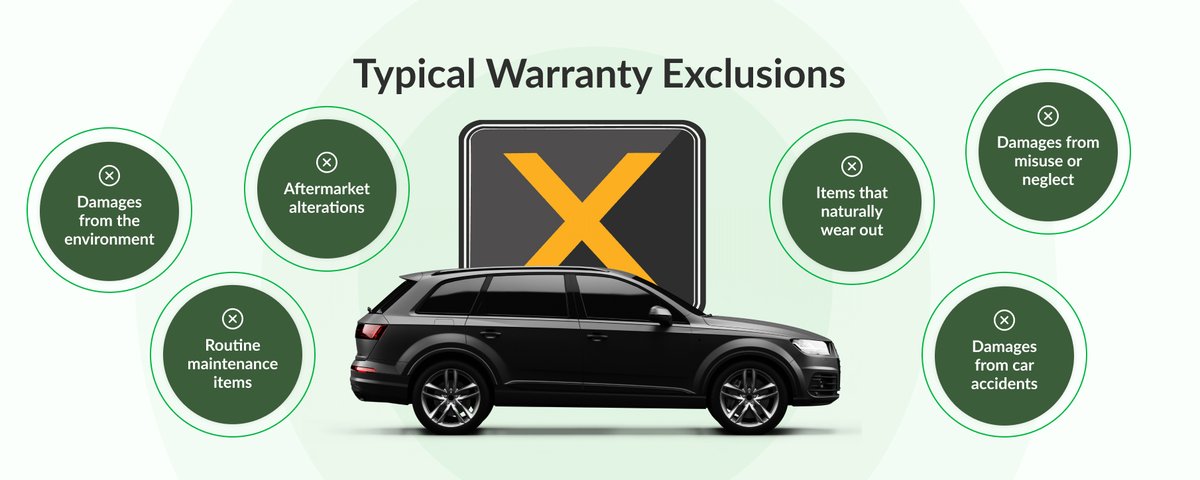
- Exclusions: What repairs or parts are explicitly not covered? This might include wear-and-tear items like brakes or tires, or damage from accidents.
- Deductible Amounts: How much will you be responsible for paying per claim? Deductibles typically range from $0 to $250, but confirm yours.
- Filing Instructions: Does your provider have a specific claims hotline or an online portal? Are there specific forms you need to complete?
Many people often wonder about understanding if an extended warranty truly offers value. The answer often hinges on how well you understand and utilize your specific policy when a claim arises. Familiarity with these details empowers you to confidently assert your coverage.
The Unsung Hero: Meticulous Maintenance Records
When your vehicle needs a repair, one of the first things your warranty provider will check is your maintenance history. Proper vehicle maintenance isn't just good for your car; it's essential for your warranty. Regular oil changes, tire rotations, and scheduled services (as per your manufacturer's recommendations) prove you've done your part to care for the vehicle.
Keep meticulous records of every service, ideally digital copies. Paper receipts can fade or get lost, but a digital folder (or cloud storage) ensures you always have proof. This documentation is your strongest ally against a claim denial based on alleged neglect.
When Warning Lights Flash: Stop, Don't Drive!
This cannot be stressed enough: if you detect a serious mechanical issue—a new, persistent warning light, an unusual grinding noise, or a sudden loss of power—stop driving the vehicle immediately. Continuing to operate a compromised vehicle can lead to further, more extensive damage.
Why is this so crucial? Warranty providers look closely at the "cause and effect" of a repair. If continuing to drive caused a minor issue to become a major one, they might argue that the additional damage was due to your negligence, potentially leading to a claim denial for those compounded repairs. Pull over safely, turn off the engine, and assess your next steps from there.
Your Step-by-Step Playbook for Filing a Claim
Navigating The Extended Car Warranty Claim Process becomes a straightforward series of actions when you follow this sequence. Each step is designed to protect your interests and ensure a smooth resolution.
Step 1: The First Sign — Detect and Halt
As soon as you notice a malfunction – perhaps a "check engine" light, an alarming clunking sound, or the engine suddenly losing power – your immediate action is critical. Stop driving your vehicle safely and as quickly as possible. This isn't just about preventing more extensive damage; it’s about demonstrating responsible vehicle ownership, which is a key factor in claim approval.
Step 2: Reach Out — Your Warranty Provider First
This is perhaps the most vital step: contact your warranty company before any repairs begin. Do not take your car to a mechanic without speaking to them first. Most reputable providers offer 24/7 claims lines precisely for these emergencies. When you call, be prepared to provide:
- Your Contract Number: This is your unique identifier.
- Vehicle Identification Number (VIN): Found on your dashboard (driver's side) or door jamb.
- Current Mileage: Accurate odometer reading.
- A Clear Description of the Problem: Be specific about what you observed.
Your provider will then guide you on the next steps, often recommending an approved repair facility.
Step 3: Head to an Approved Shop — The Right Hands for the Job
Your warranty contract will specify that repairs must be performed by an approved repair shop or dealership within their network. Using an unauthorized facility is a common reason for claim denial, even if the repair itself would have been covered.
Once you’ve contacted your provider and confirmed an authorized shop, have your vehicle towed or driven there (if safe to do so). The facility will then diagnose the problem, determining the root cause of the issue and what specific parts need repair or replacement.
Step 4: The Green Light — Getting Authorization
After the diagnosis, the repair shop will take over the communication with your warranty provider. They will submit their findings, along with detailed repair estimates, to the warranty company. Crucially, the provider must officially approve these repairs before any work begins on your vehicle. This authorization process typically takes 3 to 5 business days, depending on the complexity of the diagnosis and the provider's internal procedures. Be patient during this phase; rushing it can lead to complications.
Step 5: Your Part — Paying the Deductible
Once the repairs are authorized and completed, you will be responsible for paying your deductible. This amount goes directly to the repair shop. The good news is that after your deductible is covered, the warranty provider will typically handle the remaining approved costs, paying the repair facility directly. This means you often won't see a large bill; your financial obligation is usually limited to that upfront deductible.
Step 6: Drive Away — Collect & Document
When your vehicle is ready, pick it up and inspect the work. Ensure everything is in order and the issue has been resolved. Before you leave, make sure to collect and keep all documentation. This includes:
- Repair Orders: Detailing the diagnostic findings and the work performed.
- Invoices: Showing parts replaced and labor costs.
- Receipts: Proof of your deductible payment.
These documents are invaluable for your records and for any potential future claims or appeals.
Why Claims Get Denied: Navigating the Minefield (18% Face Issues)
While an extended warranty offers significant protection, it’s not a magic bullet. Roughly 18% of claims encounter coverage issues, often leading to denials. Understanding the common pitfalls can help you avoid them.
It's Not Covered: The Contract's Fine Print
This is arguably the most straightforward reason for denial: the specific part or repair needed simply isn't listed in your warranty contract. Basic wear-and-tear items, cosmetic damage, or components beyond the scope of your chosen plan (e.g., a bumper-to-bumper plan covers more than a powertrain-only plan) are frequently excluded. Always refer back to your policy's terms and conditions.
The Paper Trail is Missing: Neglecting Maintenance Records
As discussed earlier, proof of proper vehicle maintenance is paramount. If you cannot provide documentation of regular oil changes, filter replacements, or other scheduled services, your provider might argue that the mechanical failure was due to your neglect, not a defect, leading to a denial.
"Pre-Existing" Condition: Timing is Everything
A common point of contention, especially for new warranty holders. If the problem existed prior to your warranty's start date or developed during a waiting period (which is often 30 days and/or 1,000 miles after activation), your claim will likely be denied. Warranty companies protect themselves from covering issues that were already present when you bought the policy. This is a key consideration when you what makes an extended warranty a smart choice in the first place, as pre-existing conditions are almost universally excluded.
Unauthorized Tweaks: Modifying Your Way Out of Coverage
Customizing your vehicle can be fun, but it can also void your warranty. Aftermarket parts or performance upgrades—like lifted suspensions, oversized wheels, engine tuning, or upgraded exhaust systems—can interfere with original components and may be cited as the cause of a failure. If your modification is deemed to have contributed to the issue, your claim will likely be rejected.
Wrong Shop, Wrong Call: Using an Unauthorized Facility
Taking your car to a mechanic outside your warranty provider's approved network is an instant red flag. Warranty companies often have agreements with specific repair shops that meet their quality and pricing standards. Bypassing this network can lead to a denial, as they cannot verify the quality of the work or control the costs.
Abuse and Neglect: The Rider's Responsibility
This category covers issues arising from misuse of the vehicle. Examples include:
- Racing or off-roading: Using a standard vehicle for activities it wasn't designed for.
- Overloading: Exceeding the vehicle's weight capacity.
- Ignoring warning signs: As mentioned, continuing to drive with a known mechanical issue.
- Damage from accidents: Extended warranties typically do not cover collision damage; that's what car insurance is for.
These scenarios demonstrate a lack of reasonable care, which most warranties exclude from coverage.
Actionable Strategies to Avoid Claim Rejection
Now that you know why claims get denied, let’s turn that knowledge into a defensive strategy.
Become a Contract Connoisseur
This cannot be overemphasized: read your contract carefully, even the parts that seem tedious. Understand exactly what is and isn't covered, paying close attention to exclusions, waiting periods, and your deductible amounts. If anything is unclear, call your warranty provider and ask for clarification before you need to file a claim. Knowledge here truly is power.
Be a Record-Keeping Rockstar
Make it a habit. Every oil change, tire rotation, fluid flush, or scheduled inspection should be documented. Keep physical receipts in a dedicated folder, but also scan them and store digital copies in the cloud (Google Drive, Dropbox, etc.). This redundancy ensures you always have proof of proper maintenance, which is your strongest defense against neglect-based denials.
Always Confirm Your Repair Partner
Before your vehicle goes into the shop for any warranty-related issue, always call your warranty provider. Confirm that the specific repair facility you plan to use is an authorized partner within their network. This simple phone call can save you a world of trouble and ensure your claim progresses smoothly.
Don't Delay: Report Issues Promptly
As soon as you notice a mechanical issue, contact your warranty company. Procrastination can worsen the problem and make it harder to prove that the initial issue wasn't exacerbated by delayed action. Timely reporting signals responsible vehicle ownership.
Keep it Stock: Resist Modifications
If your goal is to maintain your extended warranty coverage, think twice before installing aftermarket performance parts or making significant modifications. Even seemingly innocuous changes can, in some cases, be linked to a component failure by a warranty provider. If you're considering a modification, consult your warranty provider first to understand potential implications. Weighing the pros and cons, especially regarding your coverage, is vital when considering whether an extended car warranty is a worthwhile investment for your specific vehicle and driving habits.
What if Your Claim Gets Denied? Your Right to Appeal
Even with the best preparation, a claim denial can happen. But a denial isn't necessarily the final word. You have the right to appeal, and a structured approach can often lead to a successful reversal.
Step 1: Request a Written Explanation
Do not accept a verbal denial. Immediately request a written explanation from the warranty company detailing precisely why your claim was denied. This document is crucial, as it will highlight the specific contract clauses or reasons they are citing. Without it, you won't know what to refute.
Step 2: Assemble Your Arsenal
Once you have the written denial, gather all relevant documentation that supports your case. This includes:
- Your full warranty contract.
- Maintenance records: The more detailed, the better.
- Repair invoices: For any prior work on related systems.
- Correspondence: Any emails, call logs, or letters between you, the repair shop, and the warranty company.
- Diagnostic reports: From the repair facility.
This information forms the backbone of your appeal.
Step 3: File a Formal Appeal
Armed with your documentation and the denial explanation, draft a formal appeal letter. In this letter:
- Reference specific contract terms that you believe support your claim.
- Directly address each point of the denial, providing supporting documents as evidence. For example, if denied for missing maintenance, attach your meticulous records.
- Maintain a professional and factual tone. Avoid emotional language.
- Clearly state your desired outcome (e.g., "I request that claim #XXXXXX be re-evaluated and approved for coverage").
Send your appeal via certified mail with a return receipt requested, or through any official online portal your provider may offer, to ensure proof of delivery. Be prepared for this process to take some time, but a well-documented appeal significantly increases your chances of a favorable outcome.
Quick Answers to Common Claim Questions
Let's clear up some common queries around The Extended Car Warranty Claim Process:
- How long does claim approval typically take?
Most claims are approved within 24 to 72 hours. However, this can vary based on the complexity of the repair, the thoroughness of the submitted documentation, and any inspection requirements from the provider. - Can I choose any repair shop I want?
While most plans allow you to choose a licensed repair facility, it's crucial that you get pre-approval from your warranty provider first. They will confirm if the shop is within their approved network. Using an unauthorized facility is a frequent reason for claim denial. - Are diagnostic costs covered by my warranty?
In most cases, diagnostic costs are covered if the issue is subsequently approved for repair under your warranty. If the diagnosis reveals a problem that isn't covered, you may be responsible for the diagnostic fee. Always clarify this with your provider beforehand. - Who pays the repair facility directly?
Typically, the warranty provider pays the repair facility directly for the approved repair costs, minus your deductible. You usually only pay your deductible to the shop. - Can I file my warranty claim online?
Some providers offer online claim submission portals, while others still require an initial phone authorization or communication with a claims specialist. Check your policy or the provider's website for their specific procedures. It's often best to start with a phone call for clarity.
Driving Forward with Confidence
Navigating The Extended Car Warranty Claim Process doesn't have to be a source of stress. By understanding your policy, maintaining impeccable records, acting swiftly when issues arise, and following the clear steps outlined here, you can approach any mechanical challenge with confidence. Your extended warranty is a valuable asset, designed to protect your wallet and provide peace of mind. By being prepared and informed, you ensure that it delivers on that promise, keeping you on the road without unexpected financial detours.